Vidushi V. Deeksha Bharatnatyam for 216 Hours Non-Stop
- Sandip Soparrkar
- 02 Apr, 2026
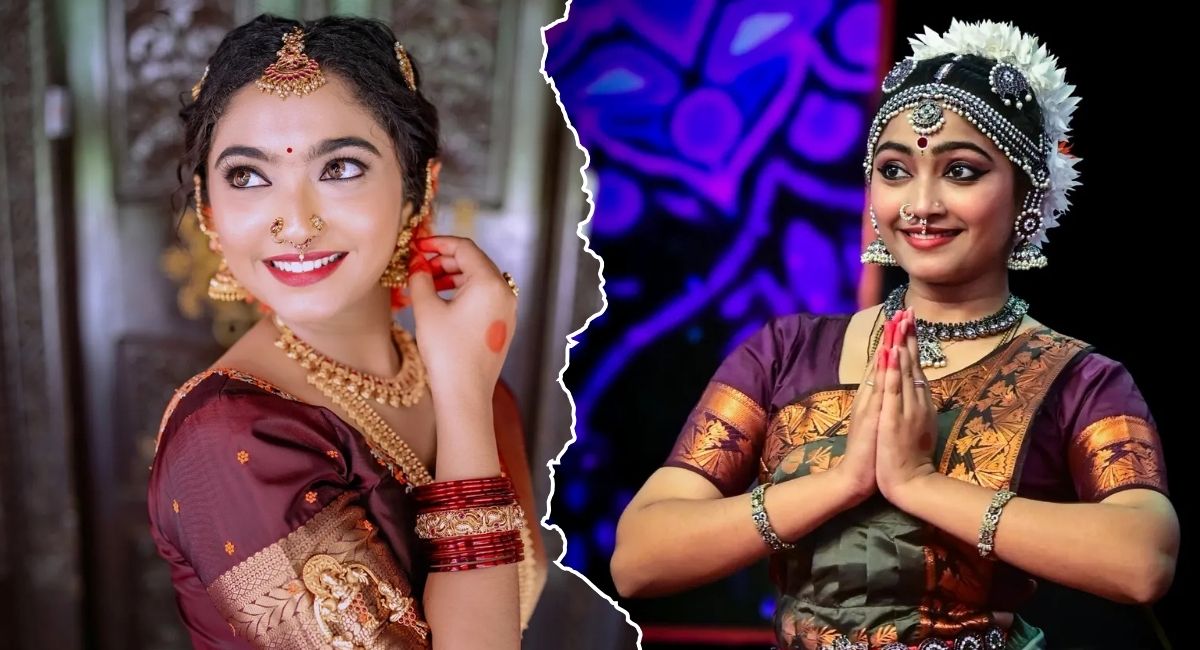
For nine days and nine nights, Bharatanatyam dancer Vidushi V. Deeksha transformed rhythm into resilience at the auditorium of Dr G. Shankar Government Women’s First Grade College, Ajjarakadu, Udupi, Karnataka. From August 21 to 30, 2025, she performed continuously for 216 hours, resting only 15 minutes every three hours, surpassing the previous record of 170 hours. Concluding precisely at 3:30 p.m. on the ninth day, Deeksha earned her place in the Golden Book of World Records, turning endurance into a profound act of spiritual surrender.
In conversation, she speaks with quiet clarity, reflective, grounded, and deeply devotional, much like her dancing.
What first sparked the idea of attempting a 216-hour continuous Bharatanatyam performance?
“The thought didn’t come suddenly. It grew over years of practice, discipline, and inner questioning. Bharatanatyam has always been my sadhana. At some point, I asked myself, how far can devotion take the body? This record attempt was not about endurance alone; it was about surrender. I wanted to explore the meeting point of physical limitation and spiritual strength.”
How did you prepare physically and mentally?
“Preparation took years. Physically, I focused on stamina, injury prevention, breath control, and recovery in short breaks. Mental preparation was even more important. I practised long hours of meditation, silence, and visualisation, reminding myself that pain is temporary, but purpose is lasting. Once the performance began, I thought in cycles, one adavu, one jathi, one expression at a time.”
What were the most challenging moments?
“The hardest moments were not always physical. My legs trembled, my back ached, exhaustion was overwhelming, but the real challenge came during the quiet hours, late nights when the mind begins to question why. In those moments, I returned to bhakti. Bharatanatyam is prayer. When the body gave up, the spirit took over.”
You were allowed only 15 minutes of rest every three hours. How did you use that time?
“Very carefully. I focused on hydration, light nourishment, stretching, and grounding my breath. There was no room for distraction. Even during rest, the performance continued within me.”
How important was institutional support?
“Support systems are everything. My gurus, organisers, medical team, volunteers, and family all played a role. A record may carry one name, but it is never a solo journey. It is collective energy holding one dancer upright.”
When you were awarded the Golden Book of World Records certificate, what went through your mind?
“Relief and gratitude. When Mr Manish Bishnoi handed me the certificate at Mahatma Gandhi District Stadium, I felt quiet stillness. The applause was beautiful, but my deepest emotion was gratitude. Bharatanatyam had carried me through this journey.”
Deputy Chief Minister Shri D.K. Shivakumar praised your achievement. What did that recognition mean?
“It was deeply encouraging. Leaders acknowledging classical arts validate years of dedication often spent silently. It made me feel this achievement belonged not just to me, but to Karnataka’s cultural heritage and Indian classical dance.”
What message do you hope people, especially young women, take from this?
“Discipline and belief can move mountains. Women are often told to pause, to compromise. This journey taught me that a woman’s willpower is extraordinary when aligned with purpose. Consistency, devotion, and courage are enough.”
After such an intense milestone, what comes next?
“Rest, reflection, and renewal. Then, teaching, sharing, and reimagining how endurance and spirituality can coexist in performance. This record is not an end; it is a beginning. Bharatanatyam still has many stories to tell through me.”

Follow Us
Related Posts