When Movement Becomes a Photograph
- Sandip Soparrkar
- 18 Sep, 2026
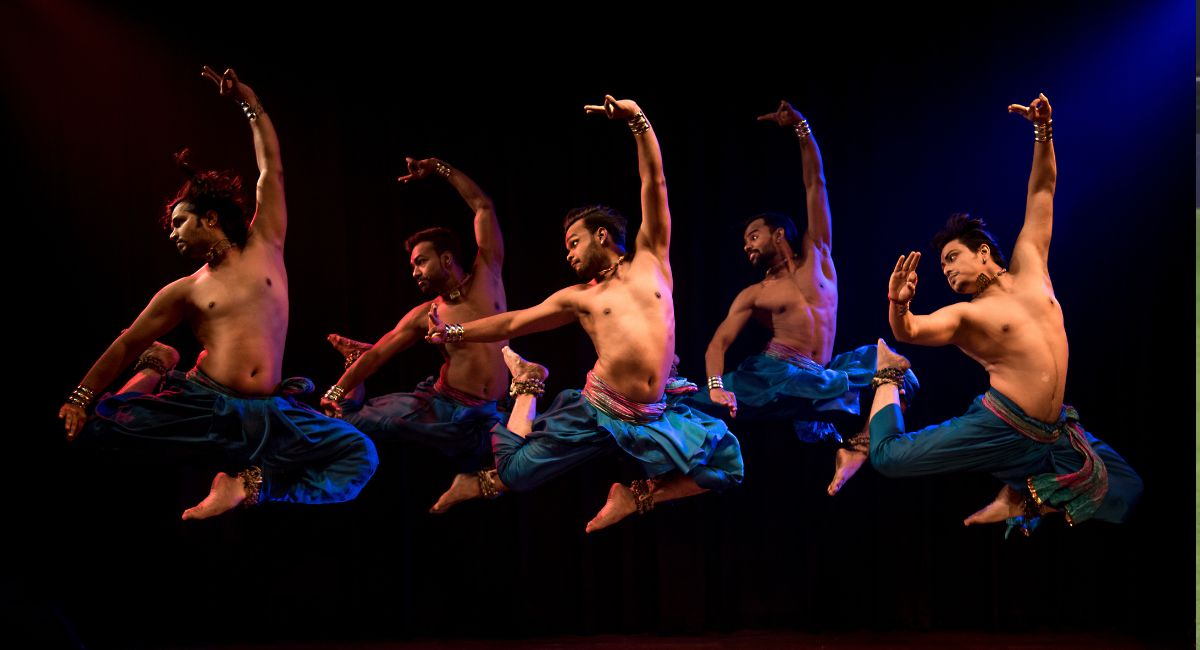
Photographer and filmmaker Sangeeta Das Banerjee explores movement, rhythm and expression through her camera. A trained dancer with a background in economics, she has documented Indian classical dance. Associated with One Frame Story, she believes understanding dance is essential to capturing its depth. Excerpts from an interview:
How and when did you decide to begin photographing dancers?
As a dancer, I have always been fascinated by movement and the human form. When I looked at dance photography, I felt a gap. Many photographs did not convey the power, precision, emotion, grace and energy of dancing. I wanted dance to be showcased to its full potential.
When I studied photography, I focused on capturing dance in low light. I wanted to use my understanding of dance to honour performers’ technique and training. Dance photography remains closest to my heart.
Tell me about your dancing journey and why you moved from dancing to photography.
I trained in Kathak and Bharatanatyam until Class 8, but medical reasons forced me to stop. In my late twenties, I wanted to return to dance, but was told I was too old.
I found Danceworx and trained in jazz, contemporary, modern and ballet for 15 years. Eventually, medical complications stopped my dancing again. By then, I had begun photographing dance professionally. I felt photography was the universe’s way of keeping me connected to dance.
As a dance photographer, is it important to be a dancer or have knowledge of dance?
It is important to understand what you photograph. Knowledge transforms the camera from a recording device into a tool for artistic expression. For dance photography, the camera is like a painter’s brush. One need not be a dancer, but experience helps. Understanding music, rhythm, timing and form makes a photographer sharper.
Who have you enjoyed photographing the most?
Two names come to mind, Pandit Birju Maharaj and Astad Deboo. Maharaj Ji was no longer performing actively when I photographed him, but watching him in workshops and intimate mehfils was magical. His abhinaya was extraordinary; his eyes seemed to speak a thousand words.
Photographing Astad Deboo was remarkable. His movement was fluid, abstract, eclectic and deeply personal. He created his own language of dance. Photographing both legends remains etched in my heart forever.
How has dance photography evolved?
Earlier, dance photography in India was largely about record-keeping, with flat lighting, fixed angles and static poses. With technology and greater artistic understanding, it has evolved into an art form. Photographers now capture speed, precision, atmosphere, lighting, narrative and emotion. It is no longer merely documentation; its role in publicity and PR is recognised.
What advice do you have for budding dance photographers?
Study dance and understand the peak of movement so you can anticipate the decisive moment. Give equal importance to form and emotion. Respect performers and safety; never use flash irresponsibly or obstruct a performance. Seek permission when appropriate and value your work fairly. Above all: “Go and shoot, shoot and shoot!”