

Greens demand Morbe Dam desilting
- Newsband
- 09 Oct, 2026
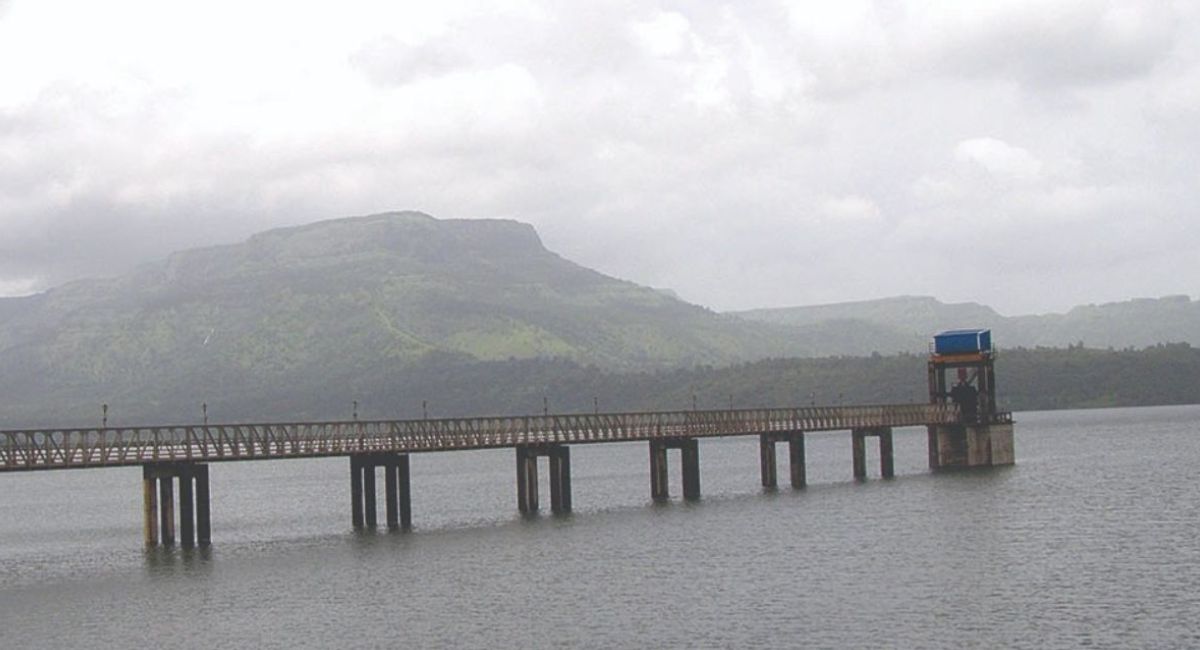
Navi Mumbai: Concerned over increasing water scarcity, NatConnect Foundation has urged the Navi Mumbai Municipal Corporation (NMMC) to conduct a scientific assessment of sediment accumulation at Morbe Dam and examine the feasibility of desilting.
In a representation to NMMC Commissioner Dr Kailash Shinde, NatConnect director B N Kumar said, “The civic body must establish the dam’s current storage capacity, sediment levels and the possibility of removing accumulated silt.”
According to an RTI response cited by NatConnect, Morbe Dam has not been desilted since it came under NMMC’s control nearly 25 years ago. The organisation also cited the Union government’s National Framework for Sediment Management, which recommends scientific monitoring, including bathymetric surveys.
NMMC data cited in the representation showed that in May 2025, the dam’s designed capacity of 190.890 million cubic metres (MCM) contrasted with actual storage of 82.557 MCM, or 43.24%. After reserving one month’s emergency supply, usable storage stood at 51.957 MCM, or 27.22%. NatConnect has sought updated figures.
“Desilting becomes difficult when a reservoir is full. NMMC should assess whether exposed portions of Morbe’s reservoir bed can be cleared of accumulated silt,” Kumar said, stressing the need for a scientific survey.
Shrikant Patki of Navi Mumbai Nagrik Manch criticised the lack of long-term planning. “Water security requires advance action, not last-minute firefighting,” he said.
Subhajit Mukherjee, founder of Har Ghar Jal Sanchay Abhiyan, advocated protecting natural water catchments. “True security lies in ‘Pani Ki Kheti’, protecting natural sponges right at the source,” he said.
NatConnect also called for expanded rainwater harvesting, groundwater recharge, and greater use of treated sewage water for non-potable purposes, including gardening and vehicle washing, to reduce pressure on drinking water supplies.

Follow Us
Related Posts



Greens demand Morbe Dam desilting
- Newsband
- 25 May, 2026
Belapur: As Navi Mumbai faces growing water concerns and a 10 per cent water cut, environmentalists have urged the Navi Mumbai Municipal Corporation (NMMC) to immediately begin scientific desilting of the Morbe Dam, the city’s primary source of drinking water.
In a representation submitted to NMMC Commissioner Dr Kailas Shinde, the NatConnect Foundation said the present low water level at the reservoir offers a crucial opportunity to remove accumulated silt and restore lost storage capacity.
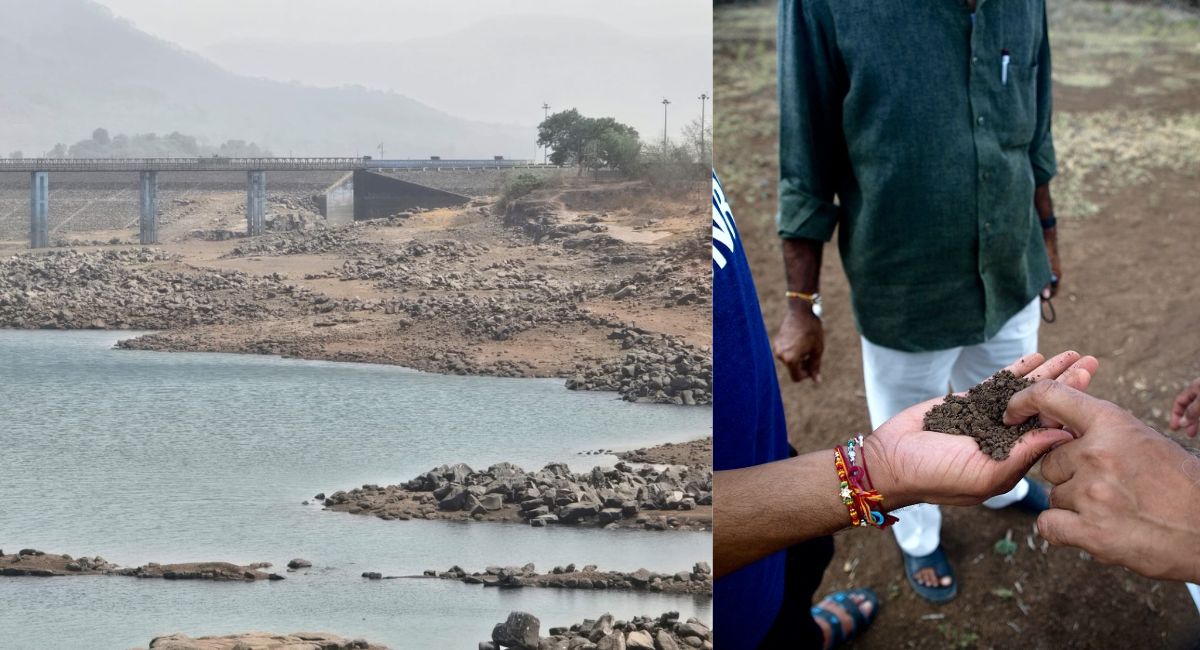
“Desilting becomes extremely difficult when the reservoir is full,” said B. N. Kumar, director of NatConnect Foundation. “But with the water level now touching almost rock bottom, this is a godsend opportunity to clear accumulated silt, at least from the exposed and dry portions of the reservoir bed.”
Environmentalists warned that sediment accumulation over nearly 25 years may have significantly reduced the dam's effective storage capacity. Fresh images from the site reportedly show alarmingly low water levels.
NatConnect cited the Union government’s National Framework for Sediment Management, obtained through RTI, which states that sedimentation reduces reservoir capacity and that desilting can extend the lifespan and efficiency of dams. The framework also recommends regular monitoring of sediment deposits through scientific surveys.
The group further pointed out that dredged silt can be reused for agriculture, land improvement, and civic works. Kumar suggested that the excavated material could benefit NMMC nurseries and farmers in the Morbe region.
According to NMMC data, Morbe Dam, which has a total capacity of 190.890 million cubic metres (MCM), currently holds only 82.557 MCM of water. After reserving emergency stock, usable storage reportedly stands at just 27.22 per cent.
“On paper, the dam may appear adequately stocked, but effective live storage keeps shrinking year after year due to siltation,” Kumar said. “If timely desilting and scientific audits had been carried out, Navi Mumbai would have been in a much stronger position to face a weak monsoon.”
NatConnect has also demanded large-scale rainwater harvesting, groundwater recharge, and increased reuse of treated wastewater.
Follow Us
Related Posts