“Ghoomar Is Not Just a Dance, It Is Our Heritage”
- Sandip Soparrkar
- 16 Jul, 2026
Jyothi D. Tommaar, Executive Director of the Gangaur Ghoomar Dance Academy, is India's foremost exponent of the authentic royal Ghoomar and Naach traditions of Rajasthan. A disciple of Padma Shri H.H. Rajmata Goverdan Kumari of Santrampur, she has spent nearly four decades preserving these folk traditions. She choreographed the title song of Padmaavat, winning the National Film Award for Best Choreography. Excerpts from an interview:
How did your journey in dance begin?
My journey began before I even understood dance. My elder sister Manjula was learning Kathak, and I would watch her lessons. My father made me a small string of ghungroos, and I imitated my sister, who taught me. I was not even four then, but those moments laid the foundation of my life in dance.
When did Ghoomar enter your life?
I first encountered it in the ninth standard, performing in a ballet called Senani. Around then, my sister Nandini was researching Langa and Manganiyar singers at NCPA, where my Guru, Rajmata Goverdan Kumari, was studying Ghoomar. In 1988, I watched her interview on Doordarshan and knew instantly this was what I wanted to pursue. As a trained Kathak dancer, the footwork came naturally to me.
How did Padmaavat happen, and what was it like working with Sanjay Leela Bhansali?
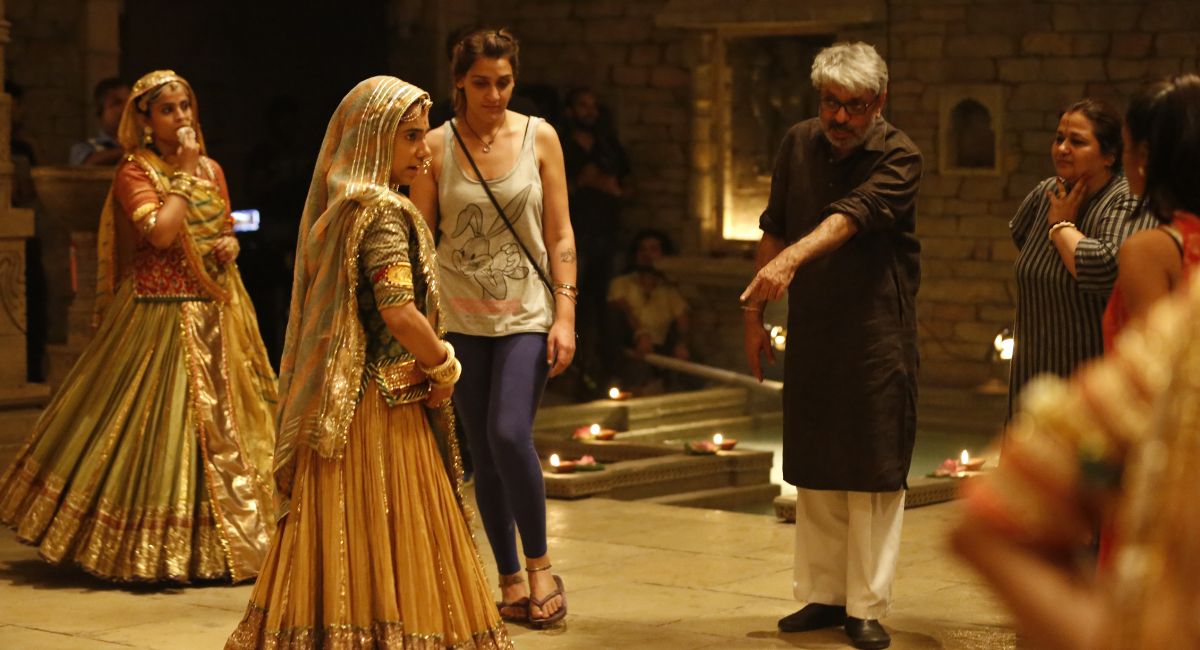
I first met Bhansali in 1987 during a Doordarshan recording. In 2003, after watching one of our performances, he told my Guru that if he ever made a film featuring Ghoomar, she should choreograph it. She passed away in 2013, but when Bhansali approached us for Padmaavat in 2016, he honoured that promise and entrusted me with the song. He knows exactly what he wants, yet remains open to ideas. Every day on set was a chance to learn from a master filmmaker.
What was it like teaching Deepika Padukone?
Deepika came with a completely open mind. She constantly asked why a movement was gentle, why a gesture carried grace; she wanted the soul of the dance, not just the steps. Even during long rehearsals, she never complained, only asking, “Am I doing justice to the dance?” That sincerity made teaching her memorable.
How did it feel winning the National Award for your first choreography?
It still feels unreal. I owe the credit to my Guru, who courageously broke royal conventions to teach Ghoomar to anyone willing to learn, despite facing criticism. I'm also grateful to Bhansali for presenting it with such authenticity to the world.
What are your future plans?
My Guru founded the academy in 1986. Along with Dr Pratibha Naitthani and Maharani Mandakini Kumari, I continue her vision through workshops, aiming to preserve the tradition for future generations.
Why do folk dances receive less recognition than classical forms?
Classical dance has structured institutions and career paths, while folk forms are taken for granted. Every state should include its folk traditions in school curricula; they deserve the same respect as classical arts.
Your advice to young people interested in folk arts?
Stay connected to your roots. Learn from genuine practitioners; there are no shortcuts. When you return to your roots, you discover your true self.

Follow Us
Related Posts