City Wetlands face pollution threat: Civic reports warn crisis
- Prajakta Chavan Rane
- 11 Apr, 2026
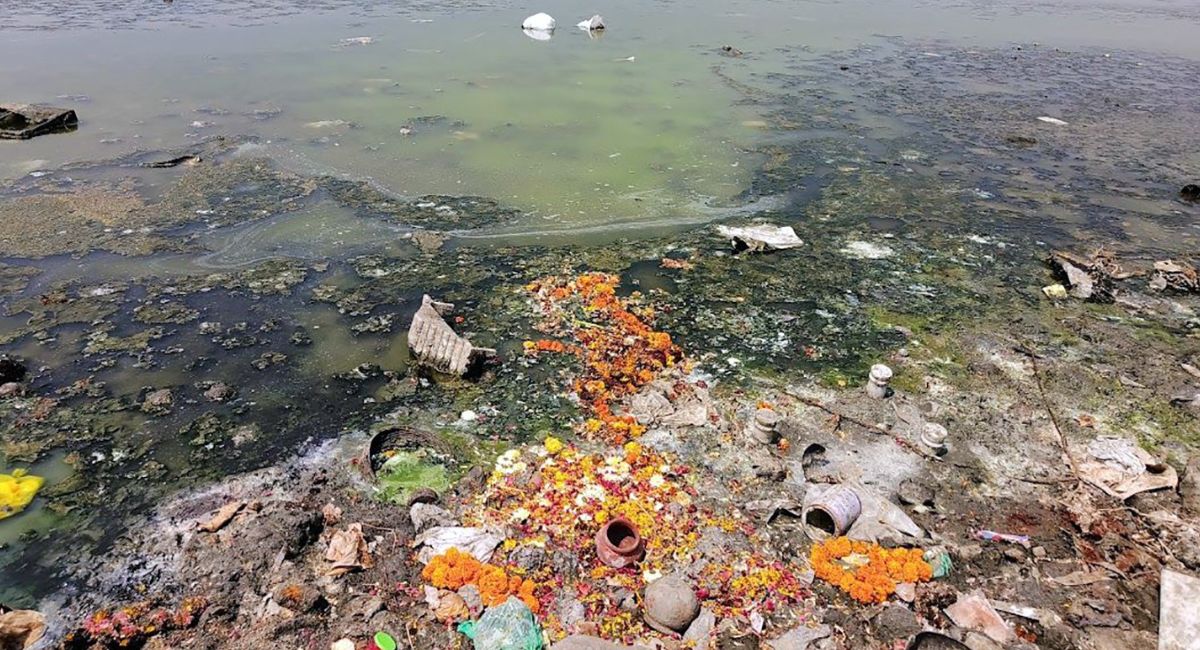
Navi Mumbai: A series of official and independent water quality assessments has raised serious concerns over the condition of Navi Mumbai’s wetlands and holding ponds, indicating widespread pollution, ecological stress, and an urgent need for restoration measures across key water bodies connected to the city’s creek ecosystem.
Recent laboratory reports from the Navi Mumbai Municipal Corporation (NMMC) have highlighted alarming contamination levels in the DPS Holding Pond and Vashi Sector 10 Mini Seashore holding pond. The findings were triggered after a newsband social media post reported large-scale fish deaths at Mini Seashore, prompting immediate water testing and precautionary release of contaminated water from the affected holding pond.
The water quality report from the Mini Seashore holding pond, where a massive fish mortality event occurred on April 1, recorded extremely high pollution indicators, including suspended solids at 1,456 mg/L, Biological Oxygen Demand (BOD) at 240 mg/L, Chemical Oxygen Demand (COD) at 725.2 mg/L, chloride at 6,848 mg/L, and dissolved oxygen at just 4.4 mg/L — conditions strongly associated with aquatic stress and fish deaths.
Similarly, the civic report on the DPS Holding Pond revealed suspended solids at 1,446 mg/L, BOD at 99 mg/L, chloride levels at 7,778 mg/L, and sulphate at 2,330 mg/L, suggesting heavy sludge accumulation, untreated sewage inflow, and increasing saline contamination.
Earlier independent testing commissioned by the NatConnect Foundation through the SSAS Laboratory on wetlands near DPS Lake, NRI Wetland, and TS Chanakya also indicated severe deterioration. Environmental groups say the cumulative data points to a systemic ecological breakdown rather than isolated pollution incidents.
NatConnect director B N Kumar expressed concern over the findings, stating, “The combined findings show that several of Navi Mumbai’s wetlands are no longer facing isolated pollution incidents, but a broader ecological crisis involving sewage ingress, poor flushing, stagnation, and rising contamination loads.”
He further warned, “These wetlands are part of a larger hydrological and biodiversity network connected to creeks and migratory bird habitats. If they collapse, the damage will spread.”
Environmental activists have demanded urgent corrective measures, including reopening blocked tidal channels, identifying sewage entry points, desilting of holding ponds, continuous water quality monitoring, and an independent ecological audit of all major wetlands.
With the monsoon season approaching, conservation groups have cautioned that delays in action could intensify pollution levels and accelerate biodiversity loss. “The evidence is now overwhelming. Navi Mumbai’s wetlands need emergency restoration, not routine file work,” Kumar added.