“I Came to India for a Year, and Found a Lifetime” – Journey of Padmashree Ileana Citaristi
- Sandip Soparrkar
- 20 Feb, 2026
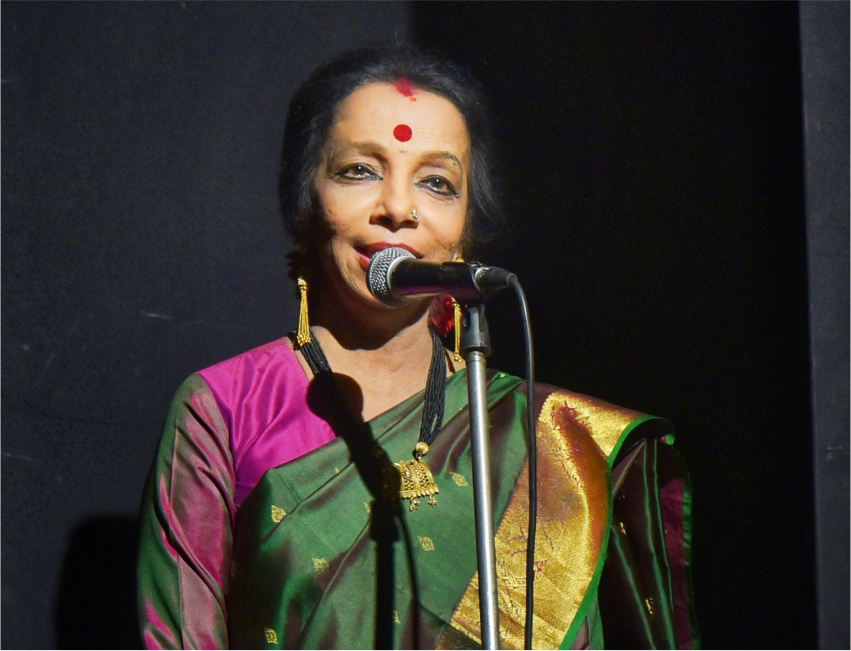
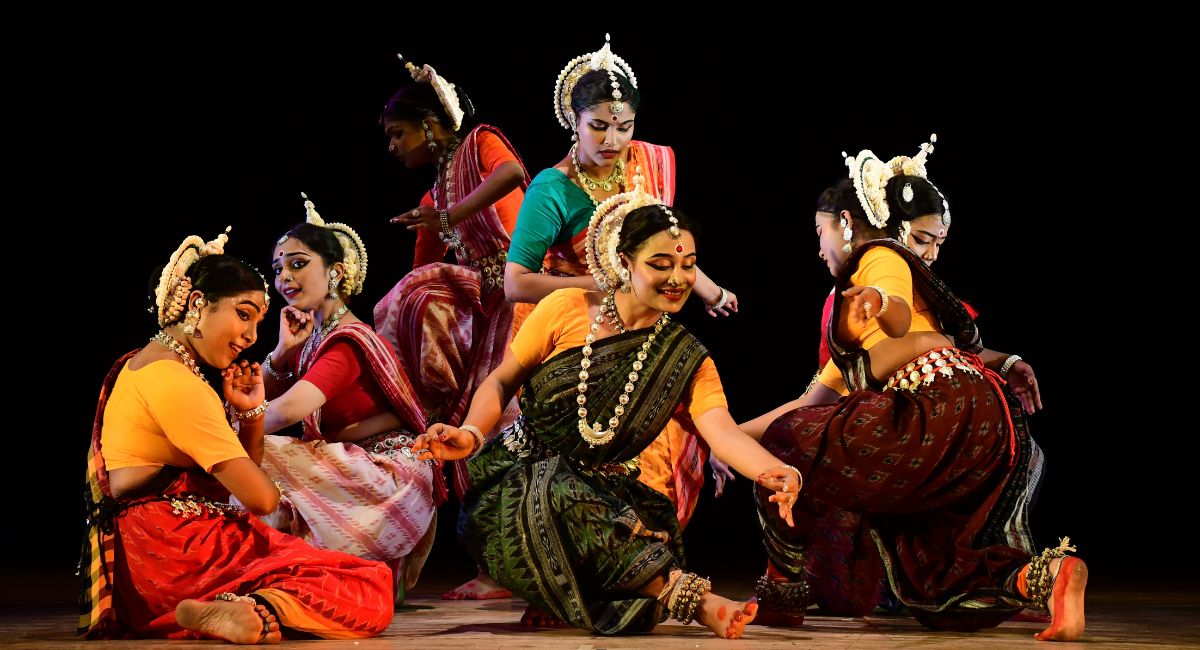
Padma Shri recipient Ileana Citaristi is an internationally acclaimed dancer, choreographer, and scholar who has devoted decades to bridging European sensibilities with Indian classical dance. Trained in Odissi under the legendary Guru Kelucharan Mohapatra and profoundly shaped by Kathakali, she stands as one of the foremost non-Indian exponents of these traditions. Settled in Odisha for much of her life, she has taught, choreographed, and helped institutionalise Odissi through her organisation Art Vision in Bhubaneswar. Her intellectually rich creations fuse Indian movement vocabulary with themes from mythology, literature, and contemporary thought, embodying a lifelong commitment to living artistic traditions.
What initially drew you to India in 1974?
My first trip wasn’t driven by attraction but necessity. Working in European theatre felt too comfortable; I needed to challenge myself. India was unknown, despite some prior study of its art and religion. I travelled overland with no fixed plan, embracing life day by day. After six months, I returned feeling I had passed a test of resilience. That inner strength proved vital soon after, when I supported a loved one through terminal illness.
When did your exploration of the body and movement deepen?
By my 1978 return to India, I was seriously engaging with the body. A workshop with Stanislaw Schiesky from Jerzy Grotowski’s group introduced intense physical training and Kathakali elements. It revealed vast inner energy, beyond mere technique. Meanwhile, university studies in psychoanalysis and Eastern mythology ran parallel, as body and mind sought meaning separately.
How pivotal was Kathakali?
Kathakali was a revelation. Seeing Krishna Namboodiri demonstrate in Bergamo, his explanation of the body’s precise expressive grammar struck me deeply; it felt meant for me. Months later, I joined an intensive summer workshop in Srikrishnapuram, Kerala, rigorous mornings, abhinaya afternoons, eye exercises at night, amid lush greenery. Only three of us finished. Performing fully costumed before the village on the final day, I truly embodied the character. There was no turning back.
What led you to Odissi as your lifelong path?
Namboodiri recommended Odissi and directed me to Sanjukta Panigrahi in Odisha. Unlearning Kathakali habits, feet, stance, posture, was disorienting. Before leaving, I impulsively met Guru Kelucharan Mohapatra in Cuttack. In that small lane, my theatre plans vanished, I discarded my return ticket. Only Guruji, Odissi, and learning remained.
What did your six continuous years in India teach you?
It felt like a second childhood. Life found a new rhythm, time slipped away unnoticed. Each day centered on reaching Guruji’s house, that was enough. I returned to Italy briefly to perform Odissi, then began shuttling between continents, sharing India’s gifts while always longing to return.
How did your cross-cultural choreography evolve?
In 1979, I carried Ovid’s Metamorphoses, particularly Echo and Narcissus. Seven years later, it emerged as dance through Indian technique. My themes often stem from my Western past, expressed via Indian classical forms. Balancing these worlds remains an ongoing quest.
How does choreographing for film differ from stage work?
Film demands rethinking space, stage dance centers on one viewpoint, but the camera shifts constantly. Reshaping movement for angles and locations, often rapidly, was challenging yet enriching.
What does your forthcoming performance on femininity explore?
It delves into diverse feminine dimensions, the yogini guiding seekers to liberation, justice-seeking women like Amba, Medea, and Draupadi, and the body as both oppressed and resistant site. These themes feel both urgent and timeless.
How do you connect with today’s younger dancers?
The generational gap is wide and challenging. I avoid preaching; instead, I stay faithful to my beliefs and live them sincerely, that may be the most powerful guidance.

Follow Us
Related Posts