Builders seek drinking water for construction workers
- Newsband
- 27 Oct, 2026
Navi Mumbai: Amid ongoing water shortages, the Navi Mumbai Municipal Corporation (NMMC) has disconnected water supply to under-construction sites to prevent the use of drinking water for construction activities. However, the move has raised concerns over access to drinking water and necessities for construction workers living at these sites.
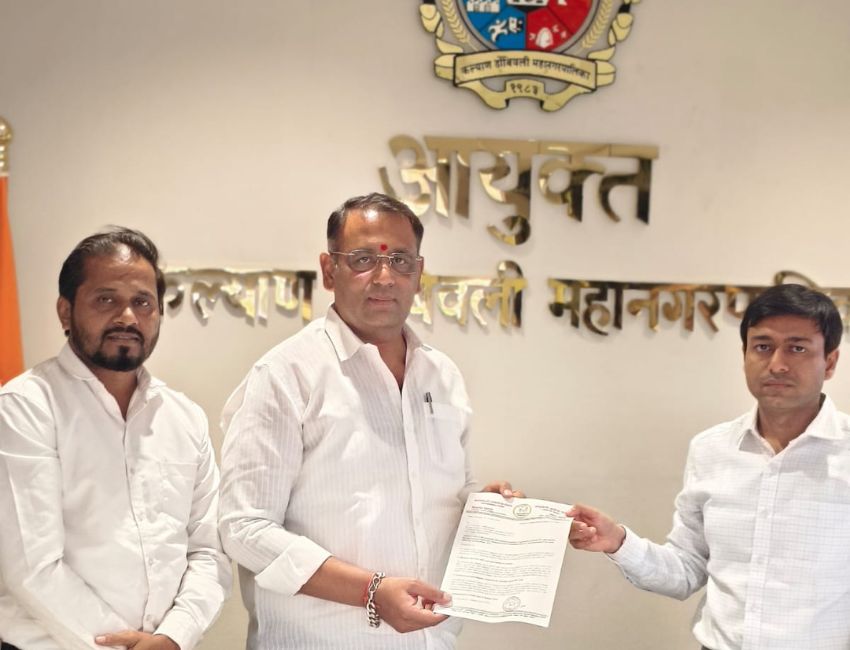
In a letter to NMMC, CREDAI-BANM (Builders Association of Navi Mumbai) has urged the civic body to ensure a minimum supply of 75 litres of water per worker per day to maintain access to clean drinking water, cooking, and basic hygiene.
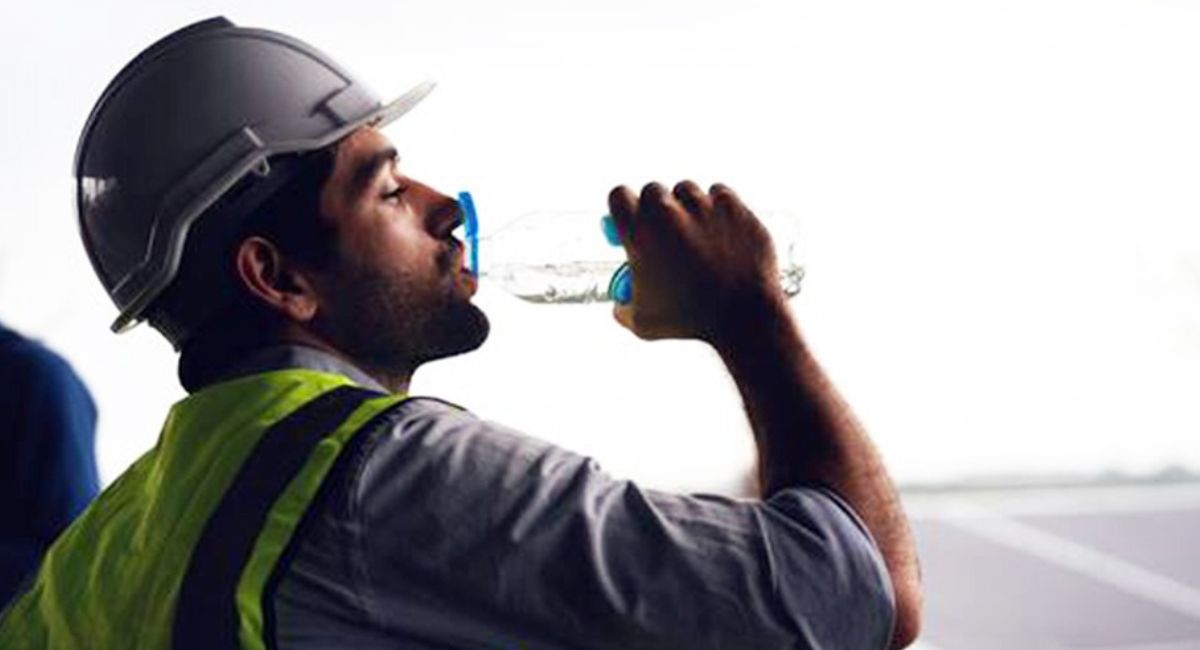
The letter points out that many construction workers live in temporary accommodations within or near construction sites and depend on developers and contractors for their daily necessities. These workers perform physically demanding tasks, often in challenging weather conditions, making access to safe water essential.
“Clean drinking water is a basic human right; besides, water is also required for cooking and basic hygiene. A complete interruption of water supply, without any practical alternative, can make it difficult for site management to provide these necessities. It may also result in inadequate sanitation, unhygienic living conditions and an increased risk of water-related health and hygiene problems,” said Nalin Sharma, director and co-founder of Sai Developers.
A civic water department official, speaking on condition of anonymity, said the disconnection followed observations that drinking water supplied to construction sites was being used for curing purposes.
“It is observed that drinking water supply is used for curing purposes at the construction site and therefore we have disconnected the supply at the construction site. We are not stopping their water supply; they can send us water tankers once or twice a week, which will be refilled by us,” the official said.
Responding to the suggestion, Sharma said tanker arrangements could work for smaller sites but would be impractical for large redevelopment projects employing hundreds of workers. Besides, it will add to the construction cost.
“Seeking tanker water for labourers is possible on small sites, but where major societies are undergoing redevelopment with hundreds of labourers working, it is not possible,” he said.
Sharma suggested installing water meters at construction sites and disconnecting supplies if consumption exceeds permissible limits. He also maintained that groundwater was being used for curing, a practice he said the authorities were aware of.

Follow Us
Related Posts