Polluted high tides threaten the DPS Flamingo Lake ecosystem
- Newsband
- 22 Jun, 2026
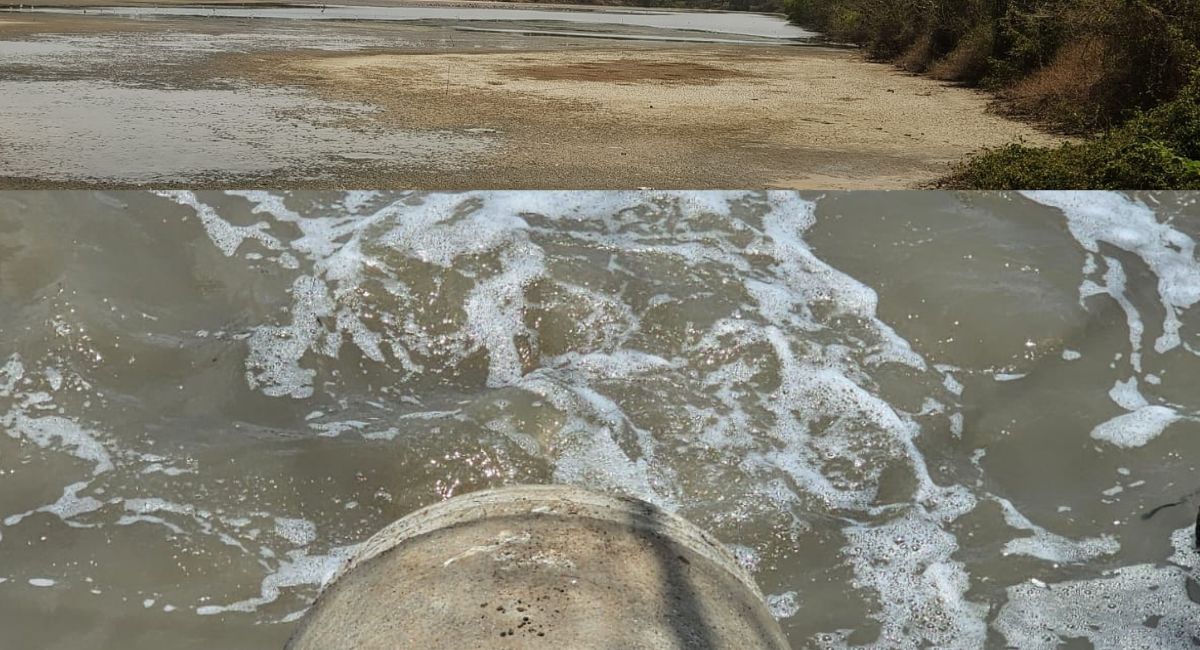
Navi Mumbai: The entry of polluted creek water during high tides is emerging as a serious threat to DPS Flamingo Lake, part of the Ramsar-listed Thane Creek Flamingo Sanctuary (TCFS) ecosystem, according to recent studies and environmental monitoring reports.
The latest water sample collected from the tidal inflow channel shows alarmingly high contamination levels, raising concerns over a visible decline in flamingo sightings at the wetland this season. Laboratory analysis recorded Total Dissolved Solids (TDS) at 19,600 mg/l, nearly nine times above the permissible limit of 2,100 mg/l under IS 2490:1974 inland surface water standards, rendering the sample non-compliant.
The test was commissioned by Sandeep Sareen of the Navi Mumbai Environment Preservation Society and NatConnect Foundation director B N Kumar. Earlier tests also showed consistently poor water quality, with a March sample recording TDS at 21,720 mg/l and another drain feeding the wetland showing 7,950 mg/l TDS in April, along with Biochemical Oxygen Demand (BOD) levels exceeding permissible limits.
Environmentalists say the combined impact of sewage inflow, urban runoff, and tidal contamination is pushing the wetland towards an ecological tipping point.
“Flamingos can tolerate natural salinity, but they cannot thrive in waters carrying a cocktail of sewage, urban runoff, and other contaminants. The deteriorating water quality is steadily eroding the lake’s ecological balance and shrinking its food base,” said B N Kumar.
Sandeep Sareen added, “The situation is worsening due to the continuous inflow of polluted water during high tide, disrupting the fragile ecosystem that supports algae, diatoms, and microscopic organisms forming the birds’ food chain.”
Experts warn that flamingos, which depend on specific salinity and water chemistry conditions, are particularly sensitive to such changes. Global studies, including reports by the UNEP-DHI Centre for Water and Environment, highlight accelerating wetland degradation due to pollution and human activity.
Environmentalists have urged expedited notification of Conservation Reserve status for DPS Flamingo Lake to ensure stronger legal protection. “The continuing pollution underscores the urgent need to grant Conservation Reserve status to DPS Flamingo Lake,” Kumar said.

Follow Us
Related Posts