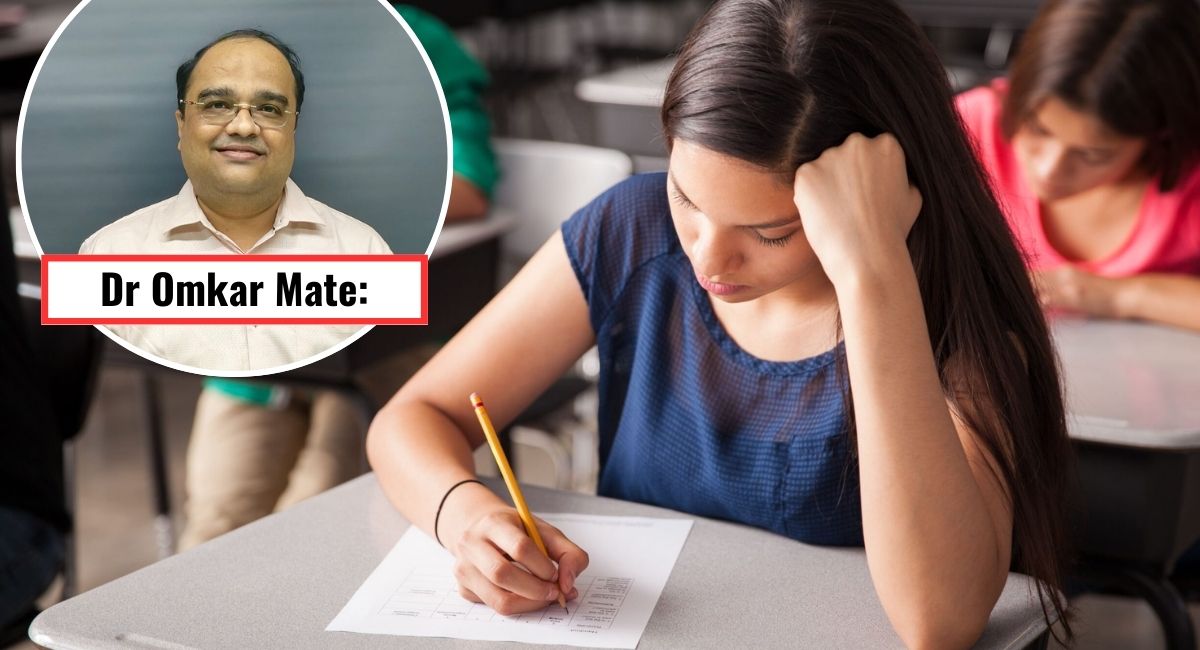
Board Exams Stress: Psychiatrist Dr Omkar Mate shares crucial parenting tips
- Newsband
- 11 Feb, 2026
With SSC and HSC board examinations approaching, Newsband speaks with psychiatrist Dr Omkar Mate to address exam-related stress faced by students and parents, especially those appearing for Class 10 and Class 12 board exams in the coming weeks.
Q: With SSC and HSC board exams approaching, why is this period so crucial for students and parents?
Dr Omkar Mate: The months leading up to board exams, especially for Classes 10 and 12, are extremely sensitive. Along with board exams, several competitive exams like JEE, NEET, and CETs are also around the corner. Naturally, the focus on studies increases, but so does the pressure. This pressure is experienced not only by students but also by parents, which makes it a shared challenge.
Q: You specialise in child psychiatry. How do children usually react to exam pressure?
Dr Mate: Children respond differently to exams, much like the fingers of our hand; no two are the same. Not all children become anxious or panicky. Some handle stress well, some feel distressed, while others remain relaxed. Stress itself is not abnormal; it becomes problematic only when it turns into distress and starts affecting performance.
Q: Can you explain the difference between positive stress and distress?
Dr Mate: Positive stress, also called eustress, motivates children. For example, some students start studying seriously once the exam timetable is announced, and their performance improves. Distress, on the other hand, is when negative thoughts dominate, fear of failure, low marks, or not getting admission. This leads to poor concentration, anxiety, and declining performance.
Q: What role should parents play during this time?
Dr Mate: Parents must first recognise warning signs, changes in sleep, appetite, constant worry or inability to relax. They should ensure a calm, peaceful home environment. Conflicts, loud discussions, or unnecessary tension at home should be strictly avoided during this period.
Q: Should parents discuss marks, percentages, and future plans before exams?
Dr Mate: Absolutely not. Discussions about marks, ranks, college admissions, finances, or career paths should be postponed until after exams. Such conversations create subconscious pressure. The last month before exams is especially critical; these topics should not be discussed in front of the child.
Q: What about discipline and daily habits during exams?
Dr Mate: This is not the time to correct minor habits. Issues like messy tables, clothes lying around, or small behavioural concerns should be ignored temporarily. Constant nagging about studying or comparing the child with others is harmful. Encouragement should be positive, not critical.
Q: How should parents manage screen time and mobile phone use?
Dr Mate: Mobile phones have become a necessity today, so abruptly taking them away is not advisable. Instead, clear boundaries should be set. Parents should mutually agree on rules regarding phone usage and present a united front. Children tend to manipulate when parents are not aligned.
Q: With just one month left, how important is writing practice?
Dr Mate: Writing practice is extremely important, especially for SSC and HSC exams, which are subjective. Students should practise solving previous years’ papers or model papers under timed conditions. This helps improve writing speed, time management, and answer presentation. Getting answers checked by experienced teachers is equally important.
Q: Many students sacrifice sleep during exams. What is your advice?
Dr Mate: Sleep is non-negotiable. The brain, like a battery, needs recharging. At least 6–7 hours of uninterrupted sleep at night are essential. Sleeping in parts does not help. Night sleep is crucial because many hormones responsible for repair and memory consolidation are released only at night.
Q: Any final message for parents and students?
Dr Mate: Parents must act as a protective buffer between the child and societal pressure. Exams are important, but mental health is more important. A calm environment, adequate sleep, balanced study routine, and emotional support can make a significant difference in a child’s performance and well-being.