Walking with God
- Newsband
- 22 Jun, 2025
The soulful journey of Pandharpur Wari
Every year, as the monsoon clouds gather over Maharashtra, a spiritual tide of faith rises. This tide takes the form of the Pandharpur Wari Palkhi Yatra, a centuries-old pilgrimage that sees millions marching on foot to Pandharpur as a testament of their devotion to Lord Vitthal.
Far more than a religious march, the Wari is a living river of music, movement, and meaning—an 800-year-old tradition that speaks of unity, discipline, and bhakti (devotion).
The sacred path of the Warkaris
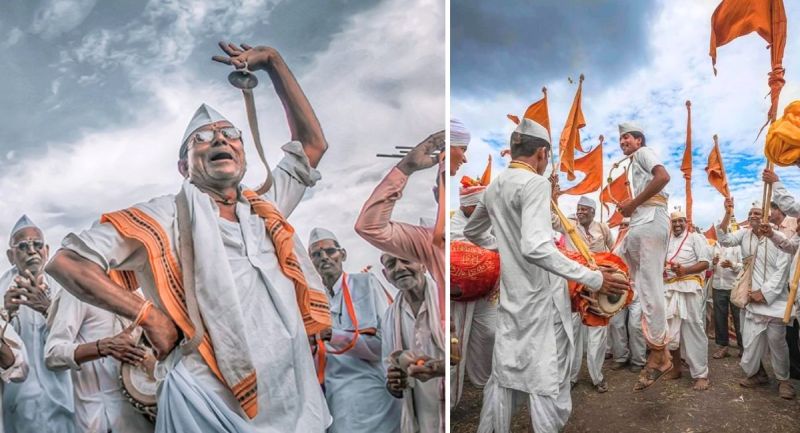
The Pandharpur Wari culminates in the temple town of Pandharpur, located on the banks of the Chandrabhaga River in Solapur district. Devotees—called Warkaris—walk hundreds of kilometers, singing abhangas, devotional verses composed by revered saints like Sant Tukaram and Sant Dnyaneshwar.
At the heart of the Wari are the palkhis—ornate palanquins carrying the symbolic padukas (footwear) of saints. The two most prominent palkhis begin from Dehu (for Sant Tukaram) and Alandi (for Sant Dnyaneshwar), about three weeks before Ashadhi Ekadashi. The pilgrimage covers 250–300 km and winds through villages, towns, and farmlands.
The sight of tens of thousands of devotees, often barefoot, walking in perfect harmony is as humbling as it is awe-inspiring.
Why the Wari matters?
More than a spiritual journey, the Pandharpur Wari is a social equalizer. It dissolves boundaries of caste, class, gender, and status. Farmers, labourers, artists, professionals, students—and even foreigners—walk side by side, united by devotion. In a time of growing fragmentation, the Wari stands as a reminder of collective humanity and shared spiritual purpose.
What makes it unique?
Dindis: These are organised groups of pilgrims who walk together, usually from the same village or spiritual centre. Each dindi has its own identity—flags, chants, and devotional music.
Bhajans and Kirtans: The Wari is a moving concert of faith. Devotional music, especially abhangs accompanied by cymbals, drums, and ektaras, creates an atmosphere of divine joy.
Seva: Communities along the route offer food, water, and shelter—showcasing Maharashtra’s culture of atithi seva (guest hospitality). No devotee is left hungry or uncared for.
Discipline: Despite the vast crowd, the Wari maintains remarkable order. Routes, timings, and formations are meticulously followed, thanks to volunteers, dindi leaders, and local authorities.
Ashadhi Ekadashi: The sacred climax
The journey peaks on Ashadhi Ekadashi, one of Maharashtra’s holiest days. Lakhs of devotees reach Pandharpur and take a sacred dip in the Chandrabhaga before proceeding for darshan at the Vitthal-Rukmini Temple.
The chants of “Vitthala Vitthala” echo through the temple town, and many devotees are moved to tears as they finally arrive at the feet of Lord Vitthal.
A living tradition
The Pandharpur Wari is not merely an annual ritual—it’s Maharashtra’s soul on foot. It is a mobile temple, a spiritual classroom, and a festival of humility and love. Every footstep is a prayer. Every tear is a testament to devotion. In a digital, distracted world, the Wari reconnects people to something timeless and pure.
As the world rushes forward, the Wari moves slowly, mindfully—reminding us that sometimes, the path walked together is as sacred as the destination itself.

Follow Us
Related Posts