Forgotten Chapter of Indian Dance
- Sandip Soparrkar
- 12 Mar, 2026
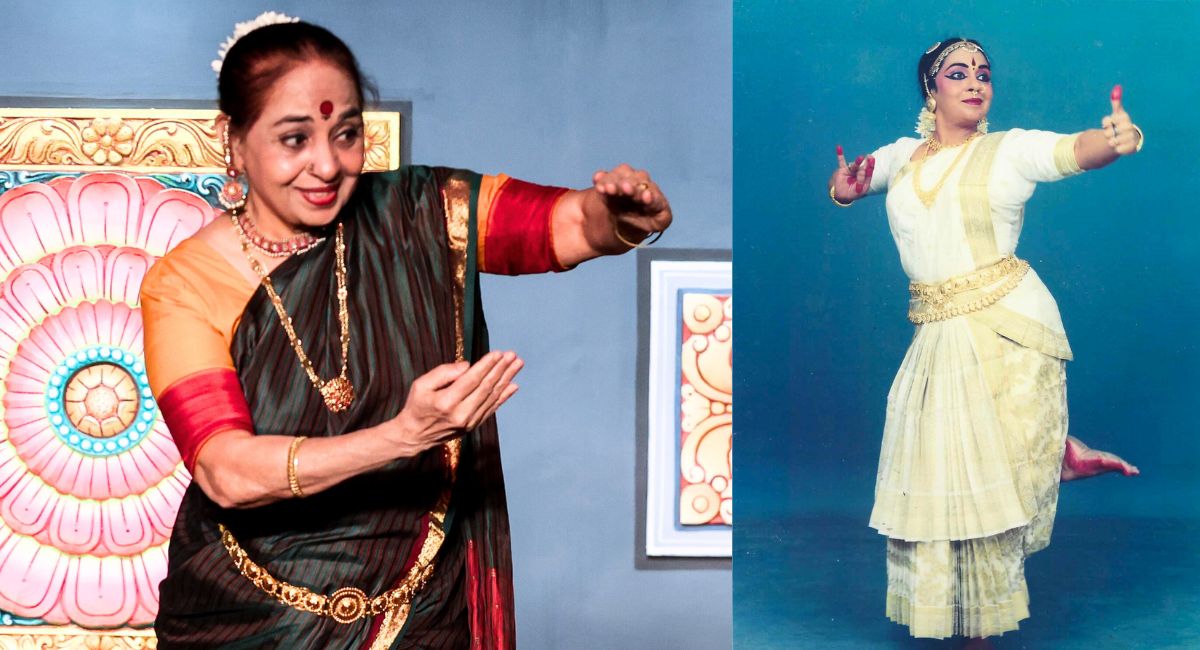
Indumati Raman has dedicated her life to uncovering and reviving lesser-known facets of India's rich dance-theatre heritage. Trained at Kalakshetra under Rukmini Devi Arundale's guidance, she immersed herself in the Bhagavata Mela tradition of Melattur, evolving from performer to researcher, mentor, and author.
Her latest book, Dance-Theatre by Thanjavur Maratha Rajas – Design and Rhetoric of Marathi Yakshaganams, spotlights a forgotten golden era of performing arts under the Thanjavur Maratha rulers (1674–1855). In this interview, Raman discusses her journey and the cultural significance of these Marathi Yakshaganams.
Your new book sheds light on an overlooked chapter of Indian cultural history. What is its central focus?
My earlier book, Bhagavata Mela: My Tryst with Tradition, examined the Telugu natakams of Melattur Venkatarama Sastri and the Bhagavata Mela heritage. While immersed in that world, I discovered the Marathi Yakshaganams composed by the Thanjavur Maratha kings. My 2002 production of Sakuntalnatak Yakshaganam, written by Bavasaheb Ekoji II in 1736, ignited this interest. Supported by the National Tagore Fellowship (2018–19) from the Ministry of Culture, I translated texts like Mrutyunjaya Chiranjivi (on the Markandeya legend) and delved into their artistic vision, literary structure, and dramaturgy. The book celebrates these works as sophisticated dance-theatre forms and underscores the rulers' profound cultural contributions.
How did the Thanjavur Maratha rulers shape this tradition as artists and patrons?
The lineage began with Vyankoji Raje I, stepbrother of Chhatrapati Shivaji, whose descendants ruled Thanjavur for nearly two centuries, fostering an extraordinary artistic renaissance. Their court became a hub for dance, music, literature, theatre, and poetry. Sahaji Raje Bhonsle II stands out as the pioneer of Marathi theatre, authoring and staging what is considered the earliest Marathi play, alongside multilingual works blending music, dance, and drama.
Highly educated in Tamil, Telugu, Sanskrit, and the Natya Shastra, while retaining Marathi as their tongue, these rulers were poets, musicians, and scholars. Their devotion to Shiva-Tyagesa at Thiruvarur inspired temple patronage, renovations, and support for rituals, agriculture, and infrastructure. Despite these achievements, the period's artistic legacy, from Yakshaganams to musicology, remains underrecognized in mainstream Indian history, marking it as a true golden age deserving wider acclaim.
How did your own path intertwine with the Bhagavata Mela tradition?
In 1993, I was invited to chair the Melattur Bhagavata Mela Sangam. This ancient ritual dance-theatre, performed for centuries in the village temple by male Brahmin artists, rarely ventured beyond its sacred context. Entering this male-dominated space was unconventional, but I saw the need for broader visibility to ensure its survival. My approach focused on presenting it outside the village while safeguarding its ritual essence. I organised five four-day festivals, providing platforms for performers and drawing cultural attention to their lifelong dedication.
What made your 2002 Marathi Yakshaganam production a milestone?
Staging Sakuntalnatak Yakshaganam was an experimental collaboration uniting Melattur's traditional Bhagavata Mela artists, Mumbai theatre actors, and a contemporary composer. It reinterpreted the historic text for modern viewers while honouring its core spirit. The positive reception from Marathi theatre circles and classical enthusiasts proved these works retain remarkable vitality and relevance today.
Yakshaganams trace back to the Vijayanagar era (15th century) and flourished under Thanjavur Maratha patronage. Multilingual and integrative, they fuse dance, theatre, Carnatic music, and storytelling, often enacted by Bhagavata Mela performers. Through her scholarship and productions, Indumati Raman bridges past and present, ensuring these vibrant traditions endure.

Follow Us
Related Posts